A Warning for Women Considering Private Sperm Donors
A disturbing Gold Coast court case has highlighted why women considering private sperm donation need to understand their rights, the process of sperm donation – which does not require sex – and the importance of protecting themselves.
A recent case reported by the Gold Coast Bulletin has raised serious concerns about the risks associated with private sperm donation arrangements.
According to the report, Gold Coast doctor Jason Movshovich pleaded guilty to secretly recording a sexual encounter with a woman he met through an online sperm donation group and attempting to record three other encounters.
The women were seeking assistance to conceive a child.
The court was reportedly told that the doctor made the recordings because he feared allegations of rape might subsequently be made against him.
Whatever explanation was offered, the circumstances raise an important issue that deserves far greater public attention.
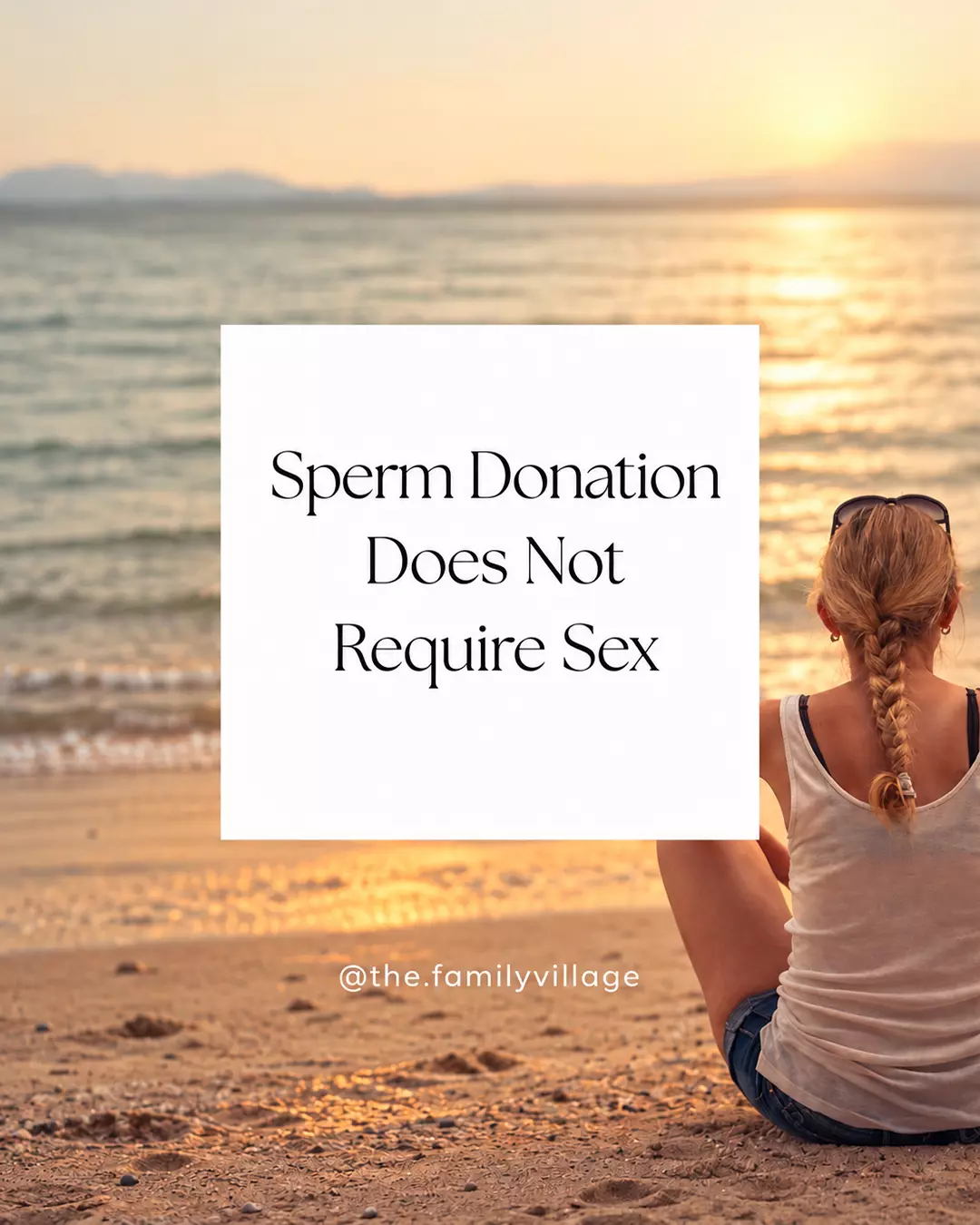
Women seeking donated sperm do not need to have sexual intercourse with their donor to become pregnant.
How does sperm donation actually work?
Sperm donation is the process by which a man provides sperm to assist another person or couple to conceive a child.
It does not require sexual intercourse between the donor and the intended mother.
In a fertility clinic, a donor generally provides a semen sample which is subsequently used in assisted reproductive treatment, such as intrauterine insemination (IUI) or in vitro fertilisation (IVF).
Private sperm donation can also occur outside a fertility clinic through home insemination. In these arrangements, the donor provides a semen sample in an appropriate collection container, which the recipient uses for self-insemination.
Neither process requires sexual contact with the donor.
There is no medical requirement for a woman to have sexual intercourse with a sperm donor.
Why this case is so concerning
People seeking donated sperm are often navigating an emotionally challenging experience.
Some have spent years trying to conceive. Others are single women or same-sex couples who need donor sperm to start their families.
For many, fertility treatment is also financially demanding, making private donation arrangements seem like a more accessible alternative.
Unfortunately, these circumstances can create opportunities for exploitation.
A woman who is unfamiliar with sperm donation may believe that sexual intercourse is necessary, particularly if that is what a prospective donor suggests.
It is not.
No woman should ever feel that she must agree to sexual intercourse in exchange for the opportunity to become a mother.
If a prospective donor insists on intercourse, refuses to consider artificial insemination or suggests that sex is medically necessary, that should raise serious concerns about the proposed arrangement.
The reported Gold Coast case does not establish that the women were misled into agreeing to intercourse. However, it demonstrates why consent, privacy and personal safety must be central considerations in private donor arrangements.
Consent to sperm donation is not consent to sexual contact
Agreeing to receive donated sperm does not mean agreeing to sexual intercourse.
Equally, agreeing to sexual intercourse does not mean agreeing to be photographed or filmed.
Consent must be freely given and must relate to the particular activity involved.
The fact that two people meet through a sperm donation group does not diminish either person’s right to privacy, bodily autonomy or personal safety.
What are the legal risks of private sperm donation?
Private sperm donation arrangements can create significant legal complications, particularly when the parties have not obtained independent legal advice.
In Queensland, the Status of Children Act 1978 contains provisions dealing with parentage following artificial insemination.
It should not be assumed that describing someone as a sperm donor automatically means that person will have no legal status or potential parental responsibilities.
A sperm donor agreement can be useful in recording the parties’ intentions, expectations and understanding of their respective roles. However, an agreement cannot simply override the law governing parentage or determine what orders a court may make in the future.
There are also important medical considerations, including infectious disease screening, genetic and family medical history, and the implications of donor-conceived children having access to information about their biological origins.
Queensland has established a donor conception information register, which includes a process for voluntarily recording eligible private self-insemination arrangements.
These are matters that should be considered before proceeding, not after a pregnancy has occurred.
Protecting yourself when considering a private sperm donor
If you are considering using a private sperm donor, we strongly recommend that you:
- Understand that sperm donation does not require sexual intercourse.
- Obtain appropriate medical advice about donor screening, infectious diseases, genetic risks and safe insemination practices.
- Be cautious of anyone who pressures you into sexual contact or suggests that intercourse is necessary.
- Obtain independent legal advice about parentage, donor agreements and the potential rights and responsibilities of everyone involved.
- Ensure that your personal boundaries, privacy and consent are respected throughout the process.
- Consider the long-term interests of your future child, including access to donor information and medical history.
Our message to intended parents
At The Family Village, we understand how deeply people can want to become parents and how difficult the journey can be.
We also understand that people considering donor conception may be navigating unfamiliar medical and legal territory.
The desire to have a child should never place someone in a position where they feel pressured to compromise their bodily autonomy, dignity or personal safety.
Sperm donation is about helping someone create a family. It should never be used as an opportunity to pressure someone into unwanted sexual activity.
If you are considering a known or private sperm donor arrangement, please obtain appropriate advice before proceeding.
The Family Village provides legal guidance to intended parents and donors about donor conception arrangements, including the preparation of donor agreements and advice concerning parentage.
Read the The Courier Mail report: Gold Coast doctor guilty of secretly filming sex during sperm donation meet-ups